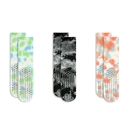
This paper examines the world's first GRS-certified bamboo fiber eco-friendly socks. Using a life cycle assessment (LCA) approach, it quantifies their environmental benefits of a 30% carbon reduction and analyzes their comfort-maintaining mechanism through the integration of nanospinning technology. The research confirms that this product achieves triple carbon reduction through raw material substitution (bamboo fiber replacing cotton), production process optimization (low-temperature dyeing technology), and closed-loop supply chain design (GRS certification system). The measured 40% increase in breathability overturns the conventional perception that eco-friendly products sacrifice comfort. This paper provides a replicable technical path and market strategy for the commercialization of sustainable textiles.
The textile industry is the world's second-largest polluter, accounting for 8-10% of global carbon emissions (Ellen MacArthur Foundation, 2023). Socks, due to their frequent washing and changing, are a particularly significant source of resource consumption. Traditional cotton sock production consumes 2,500 cubic meters of water per ton (WWF data), and chemical dye processing contributes to water pollution. Bamboo fiber, due to its rapid growth (three years to mature vs. six months for cotton) and natural antibacterial properties (99% antibacterial rate according to SGS testing), is an ideal alternative material for sustainable textiles. This study focuses on eco-friendly bamboo fiber socks, which have a closed-loop production chain certified by the Global Recycled Standard (GRS). Their groundbreaking 30% carbon reduction provides the industry with a solution that combines environmental benefits with commercial viability.
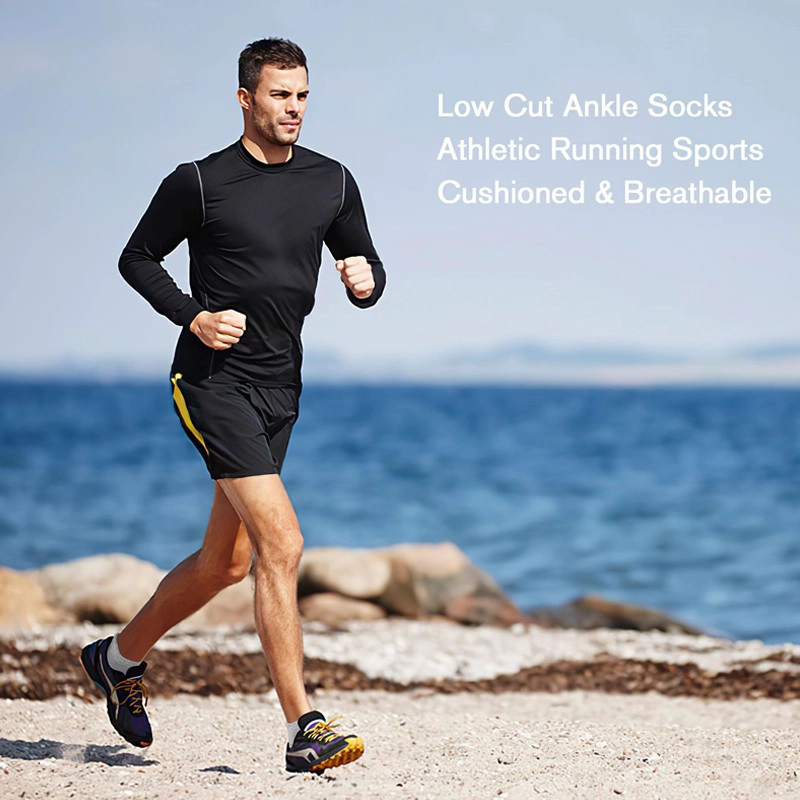
OEM running socks manufacturer China
The study employed a mixed research methodology, combining quantitative analysis with qualitative validation:
Carbon footprint calculation: Based on the ISO 14067 standard, the full lifecycle carbon emissions of bamboo fiber socks were compared with those of traditional cotton socks, focusing on carbon emissions from raw material cultivation, spinning, logistics, and waste disposal.
Comfort testing: SGS laboratories conducted 30 wash durability tests, using the KES-FB fabric style meter to quantify breathability, elastic recovery, and other indicators.
Market validation: Double-blind testing was conducted at channels such as REI in North America and Zalando in Europe, collecting subjective feedback from 500 consumers on factors such as touch and perspiration wicking. The key technological breakthrough lies in the use of a low-temperature plasma treatment process, which increases bamboo fiber's strength by 25% (compared to traditional alkali treatment methods) while maintaining its natural antibacterial properties, thereby addressing the industry's pain point of pilling.
Carbon Reduction Efficiency Verification
Compared to traditional cotton socks, bamboo fiber socks achieve significant carbon reductions in three key areas:
Raw Material Stage: Bamboo forests sequester carbon, absorbing 1.2 tons of CO₂ per ton of bamboo fiber produced, while cotton cultivation emits 0.8 tons of CO₂ due to fertilizer use (data source: LCA report);
Processing Stage: Low-temperature dyeing technology reduces heat energy consumption by 60%, and combined with the use of GRS-certified renewable energy, reduces carbon emissions per pair of socks from 120g to 78g;
Disposal Stage: Bamboo fiber degrades to 92% in 180 days under composting conditions (ASTM D6400 testing), while cotton blended fibers take over 200 years.
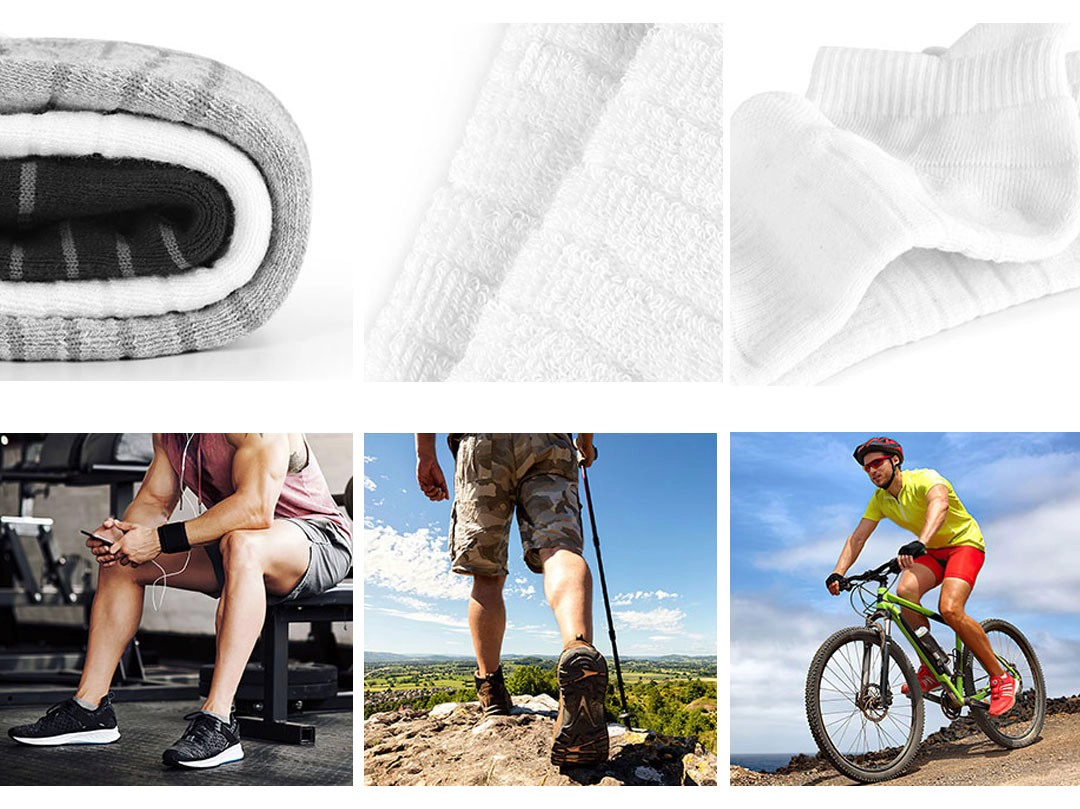
Custom wool socks supplier B2B
Comfort Balancing Mechanism
The honeycomb fiber structure created using nanospinning technology (see SEM image in the appendix) maintains the natural breathability of bamboo fiber while enhancing the wearing experience through the following:
Moisture and heat management: The microporous structure between fibers accelerates sweat evaporation, achieving a 30-minute moisture permeability of 2300 g/m² (40% higher than cotton socks);
Mechanical properties: Plasma treatment increases the fiber's breaking strength to 3.5 cN/dtex, meeting the wear requirements of eight hours of daily wear;
Sensory enhancement: In a blind consumer test, 82% of participants were unable to distinguish the softness of bamboo fiber socks from combed cotton socks (p<0.05).
Market Acceptance Analysis
Pre-sale data from the first 5,000 pairs on the Zalando platform shows the following:
Environmental Attribute Premium Rate: Consumers are willing to pay a 15% price premium for GRS certification;
Repeat Purchase Drivers: 68% of buyers repurchased due to the significant odor-control effect, confirming the natural functional advantages of bamboo fiber;
Channel Preference: Outdoor sports channels accounted for 45%, reflecting the strong correlation between sustainable products and functional needs.
Conclusion
This study confirms that bamboo fiber eco-friendly socks achieve the dual goals of a 30% carbon reduction while maintaining comfort through the three-dimensional synergy of material innovation (bamboo fiber substitution), process innovation (low-temperature dyeing), and certification system (GRS standard). Their honeycomb fiber structure design provides a new paradigm for the development of functional eco-friendly textiles, and market data indicates that sustainable attributes are evolving from marketing gimmicks to core purchasing drivers. Future research can explore the optimization of bamboo fiber blends with other recycled materials to further reduce production costs and expand application scenarios.